
HYPERTENSION
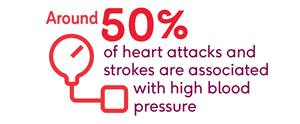
As blood circulates through the body, it exerts varying degrees of force on artery walls; this is known as blood pressure. According to the World Health Organisation, between 10 and 30 per cent of people throughout the world have blood pressure that is too high – or hypertension. In its early stages, high blood pressure is symptomless, so many people do not realise they have a potentially life-threatening disease. If the condition goes unchecked, it will damage the heart and blood vessels and can lead to a stroke, heart attack and other serious consequences.
In about 5 per cent of cases, there’s an underlying cause for high blood pressure; for example, a narrowed kidney artery, pregnancy, an adrenal gland disorder or a drug side effect. Most often, however, there is no identifiable cause, and this is referred to as primary, or essential, hypertension.
Blood pressure rises when the body’s smallest arteries, narrow or constrict, requiring the heart to beat more forcefully in order to pump blood through them. Increased blood volume, often caused by the body’s tendency to retain excessive salt and fluids, raises blood pressure; so do high levels of adrenaline and other hormones that constrict blood vessels.
With age, blood pressure rises somewhat; no one fully understands precisely what leads to hypertension, although a combination of factors, especially salt intake, seems to be involved. It tends to run in families, so inherited susceptibility is suspected. Obesity is known to increase risk. Stress prompts a surge in adrenal hormones and a temporary rise in blood pressure; some researchers believe that constant stress may play a role in developing hypertension. Other contributors include smoking, excessive alcohol and a generally sedentary lifestyle.
Proper control of high blood pressure and cholesterol can halve the risk of heart attacks. It seems that the death rates from different forms of cardiovascular disease, have been steadily declining since the 1960s, thanks largely to lifestyle changes and improvements in hypertension treatment.
Diet and hypertension
Diet plays a role in both prevention and treatment of high blood pressure. Simple things can help to keep your blood pressure in check.
Limit your salt intake. A high-salt diet also contributes to the condition in people who have a genetic tendency to retain sodium. In these individuals, restriction of salt, from an early age, reduces the risk of developing hypertension. A portion of the population, including older people and people with diabetes, appear to be particularly sensitive to sodium and may benefit significantly from eating low-salt foods. Experts agree that most people should aim to consume no more than 6g of salt each day. The best way to reduce intake is to avoid adding salt, and to avoid processed foods, which are usually loaded with sodium. Check labels carefully – look for the term ‘sodium’ to find hidden salt. It may be a good idea to switch to a potassium-based salt substitute, as potassium lowers blood pressure.
Keep your weight down. Being even slightly overweight contributes to hypertension; losing excess weight is often all that is needed to return blood pressure to normal. Even a modest weight loss will cause a drop in blood pressure.
Eat less fat. A high-fat diet not only leads to weight gain but may also contribute to high blood pressure. Limit fat intake to 30 per cent or less of total calories, with 10 per cent or less coming from saturated fats. This means cutting back on butter and margarine; reading food labels to check the saturated fat content; switching to skimmed milk and other low-fat dairy products; choosing lean cuts of meat and grilling instead of frying.
Reduce alcohol and caffeine consumption. Although a glass of wine or other alcoholic drink daily seems to reduce the chance of a heart attack, consuming more than this will negate any benefit and may increase the risk of hypertension. Too much caffeine can also raise blood pressure. Older adults with hypertension may be more sensitive to the effects of caffeine and should limit their intake.
Boost your mineral intake. Some nutrients may protect against high blood pressure. Potassium, an electrolyte that helps to maintain the body’s balance of salt and fluids, helps to ensure normal blood pressure. Potassium is found in fruit (especially bananas) and vegetables, dairy products, beans and pulses.
A few US studies have linked calcium deficiency to hypertension and have suggested that increased intake of low-fat dairy products may be beneficial.
Get more garlic. Other research appears to suggest that garlic can help to lower blood pressure. The amount of garlic necessary to lower blood pressure, however, can cause other problems, especially unpleasant breath and body odour. Although garlic is available in odourless pills, it is not known if these pills produce the same benefits as eating real garlic.
Other lifestyle changes
While a proper diet is instrumental in maintaining normal blood pressure, it should be combined with other lifestyle changes. One of the most important is regular aerobic exercise, which lowers blood pressure by conditioning the heart to work more efficiently. If you smoke, you should give up, because nicotine raises blood pressure. Giving up smoking can reduce blood pressure markedly – apart from the other health benefits.
Use medications with caution. Non-prescription cold, allergy and diet pills can raise blood pressure. In some women, birth control pills, or hormone replacement therapy, can cause high blood pressure.
Reduce stress. Experts continue to debate the role of stress in hypertension. There is no doubt that stress temporarily raises blood pressure, and some experts think that it may have a long-term effect. Meditation, yoga, biofeedback training, self-hypnosis and other relaxation techniques may help to lower blood pressure. Studies have found that people with pets have lower blood pressure than people who don’t own pets.
Drug therapy. Doctors usually recommend about six months of lifestyle changes to see if mild to moderate hypertension returns to normal levels. If not, drug therapy is often instituted. There are dozens of antihypertensive drugs and doctors can usually find one or a combination that lowers blood pressure with minimal adverse side effects. The most widely used drugs are diuretics, which reduce salt and fluid volume by increasing the flow of urine. Some classes of drugs reduce the heart’s workload by helping to widen the arterioles to increase blood flow; other drugs can slow the pulse.
Check it out
All adults over 40 should have their blood pressure checked annually. Just one blood pressure measurement is, however, insufficient to diagnose hypertension unless the reading is in the severe range. Some people also have ‘white coat’ hypertension, in which their blood pressure rises whenever they are in a doctor’s surgery but is normal at other times. To diagnose hypertension, several measurements are needed – taken at different times and, perhaps, even in different places.
Understanding blood pressure measurements
Blood does not flow through the body in a steady stream; instead, it courses in spurts. Thus, blood pressure is expressed in two numbers, such as 120/80. The higher number indicates the systolic pressure, the peak force when the heart contracts and pumps a small amount of blood into the circulation. The lower number, the diastolic reading, measures pressure exerted when the heart is resting momentarily between beats. The units of blood pressure measurement are millimetres of mercury; basically, this measures how high the pressure of the blood can push a column of mercury in an evacuated tube.
Doctors usually use a stethoscope and a sphygmomanometer to measure blood pressure. The cuff is tightened to stop blood flow, and as pressure is released, they listen for the sounds that indicate systolic and diastolic pressures. If your resting blood pressure is consistently 140/90 or higher, you have high blood pressure. Normal adult blood pressure is defined as below 120/80.
Did you know?
. Current guidelines suggest you should keep your salt intake below 6g per day. Expressed as sodium (the way salt content is often listed on food labels) that means no more than 2.4g a day. To convert sodium to salt, multiply by 2.5.
. According to research that was presented to the American Heart Association in November 2003, eating a half-cup of dry-roasted soya nuts may reduce blood pressure readings as much as some prescription blood pressure medications.
In summary:
Eat plenty of
. Fresh vegetables, fresh and dried fruit, beans, pulses for potassium
. Oily fish for omega-3 fatty acids
. Low-fat dairy products
Limit
. Canned and other processed foods with added salt
. Fatty foods, especially saturated fats
Avoid
. Pickled and very salty foods
. Excessive alcohol and caffeine
 Arts, reviews & current affairs