
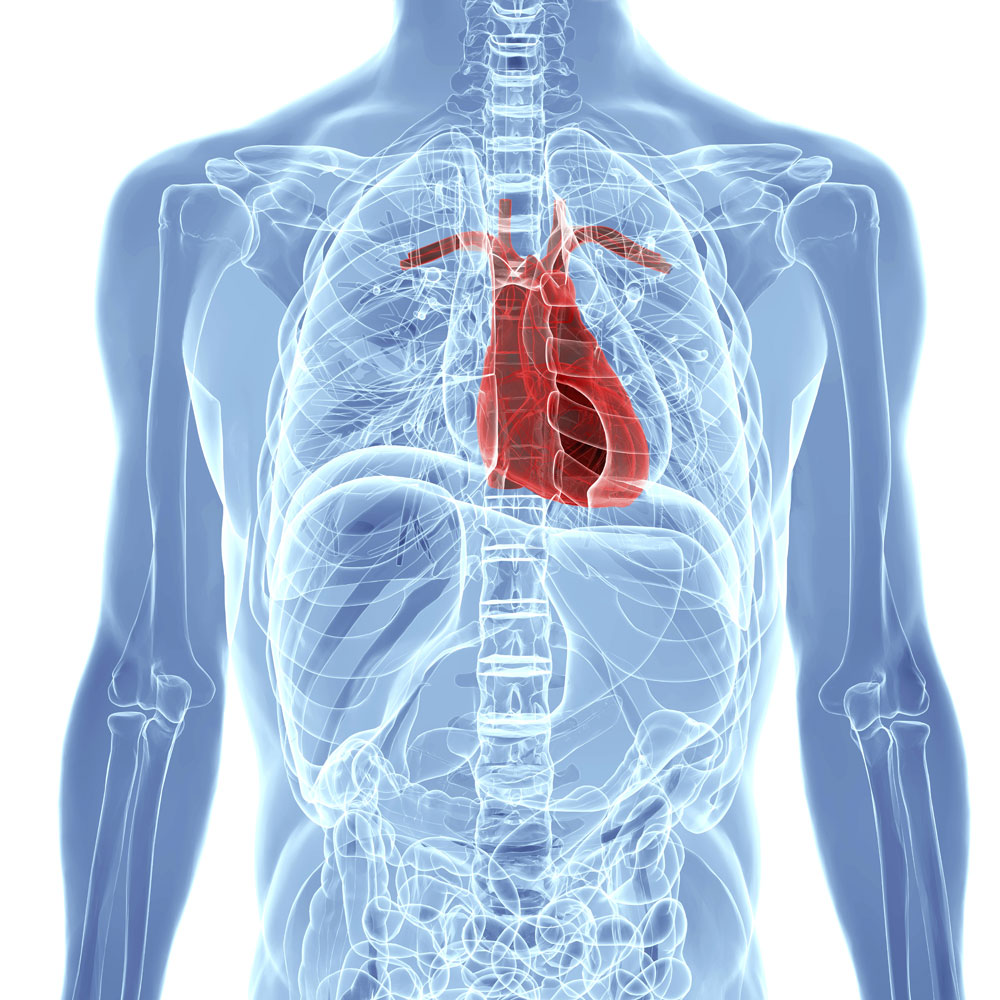
– ‘Science Book: Anatomy/Physiology’ seeks to address all of the fundamental concepts within the field of anatomical science and human biology. This is Book 6 in the science series on this site.
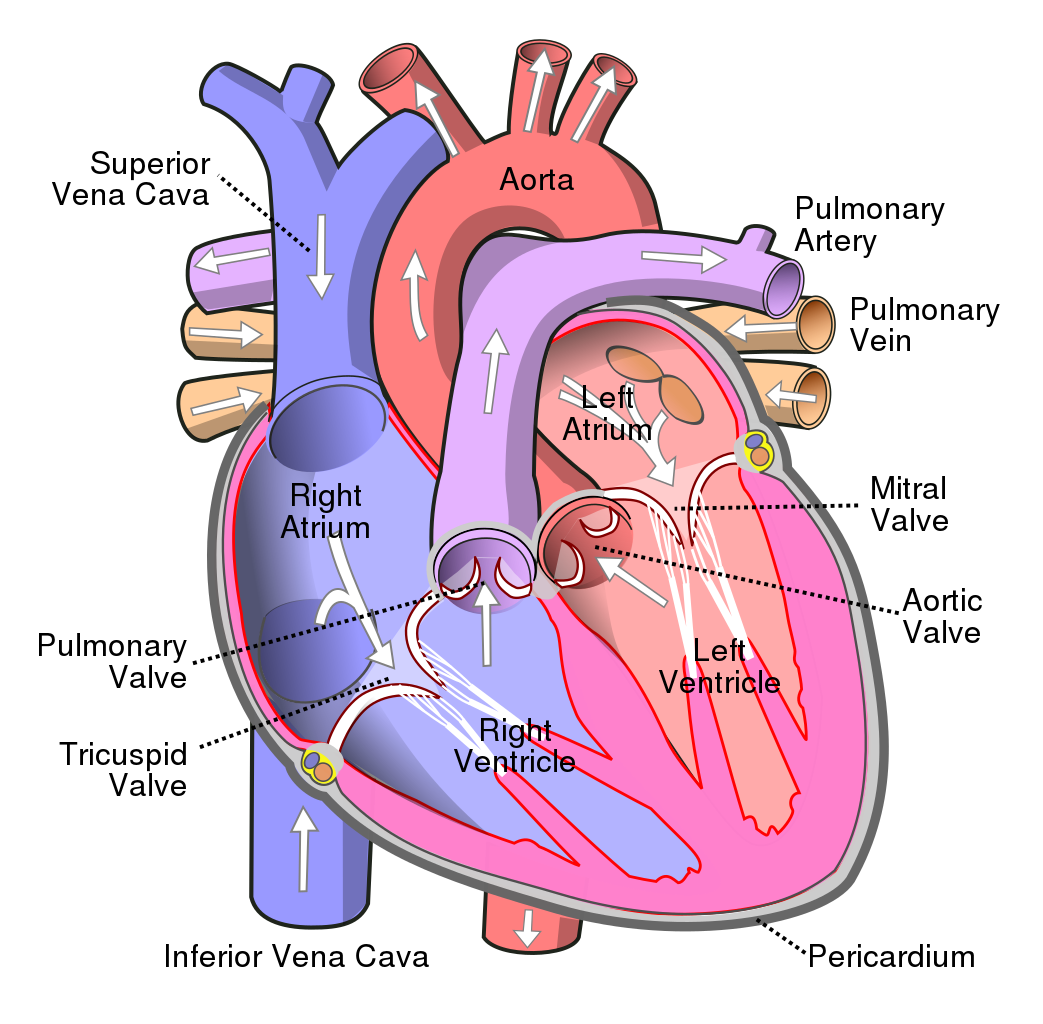
Cardiovascular system. The cardiovascular system circulates blood around the body, transporting oxygen from the lungs and nutrients to organs, muscles and nerves. The heart pumps oxygen-rich blood through a network of blood vessels, the arteries. When it reaches tiny vessels called capillaries in tissues, blood releases the oxygen, which cells use to make energy.
The cells also release waste products, such as carbon dioxide, which the blood absorbs and carries away. The used or “deoxygenated” blood travels along veins and back to the lungs, where it absorbs fresh oxygen and begins the cycle again. At rest, a normal heart typically beats around 70 to 80 times a minute as electrical impulses make the cardiac muscles rhythmically contract.
Each side of the heart is divided into an upper chamber called an atrium and a larger, lower chamber, called a ventricle. The atria are the blood-receiving chambers, and the ventricles are the discharging chambers. Blood flows from each atrium through a one-way valve into the ventricle below.
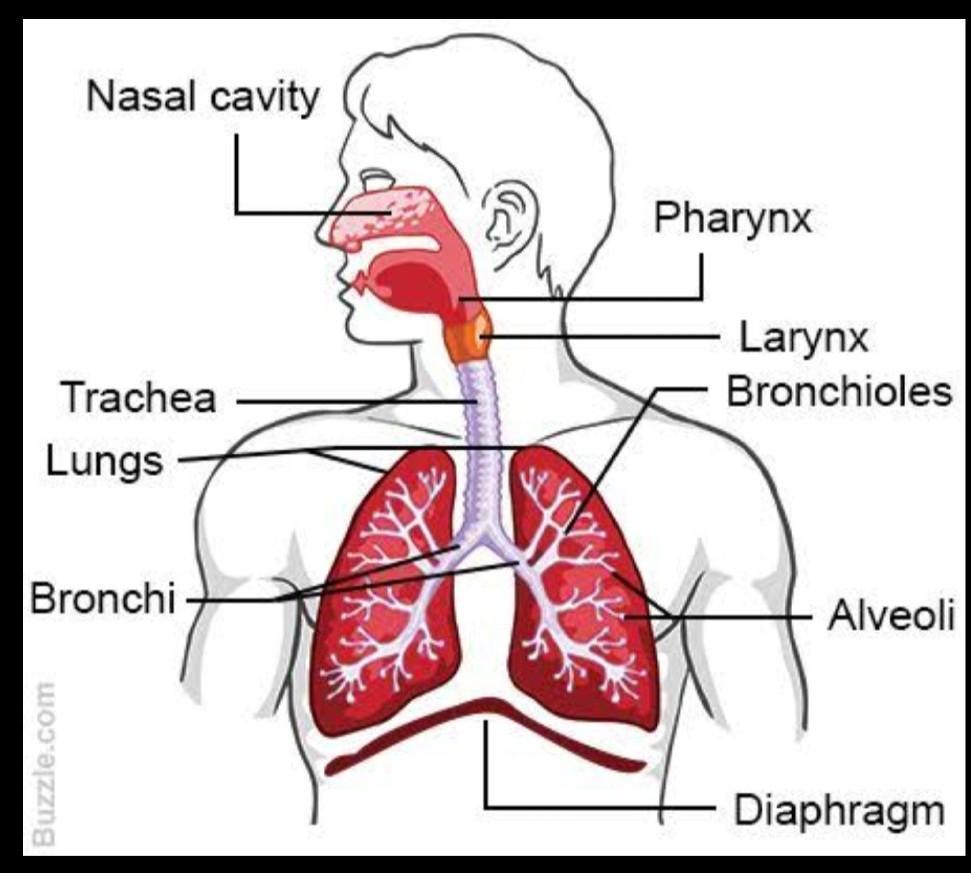
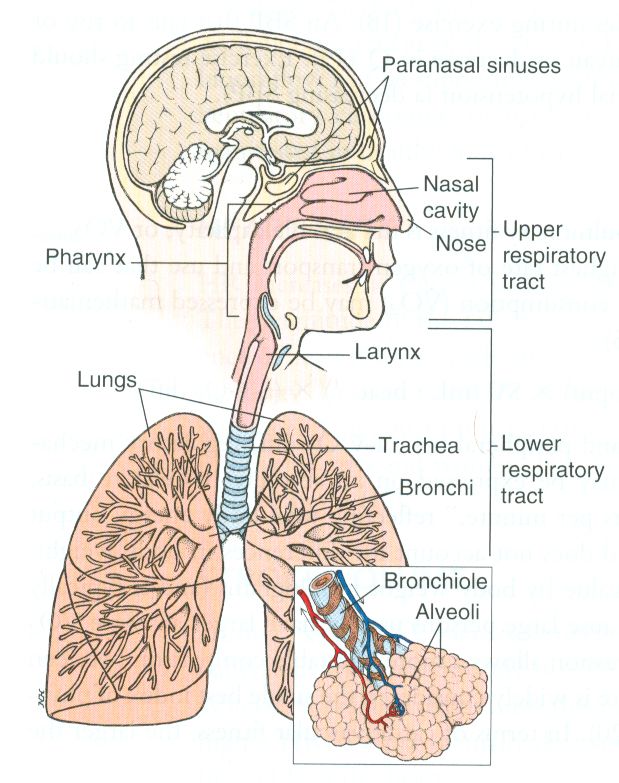
Respiratory system. The respiratory system supplies the blood with vital oxygen for all the body’s organs. We breathe in (inhalation) when a sheet of muscles across the bottom of the chest cavity [the diaphragm] contracts, pulling air into the lungs, and we breathe out (exhalation) when the diaphragm relaxes.
Air enters through the mouth and the nasal passage and passes through the larynx to the trachea (windpipe). This tube splits into two smaller ones called bronchi inside the chest cavity, then divides repeatedly in the lungs, connecting to millions of tiny air-filled sacs called alveoli, surrounded by tiny capillaries. Oxygen diffuses into arterial blood through the capillary walls. Meanwhile, veins fill the alveoli with carbon dioxide waste, which flows out through the same airway when we exhale.
Inhaled air is mostly nitrogen [about 78 per cent] and about 21 per cent oxygen. Exhaled air is roughly 78 per cent nitrogen, 16 per cent oxygen and 4 per cent carbon dioxide. So there is a net absorption of oxygen in the body and a net release of waste carbon dioxide.
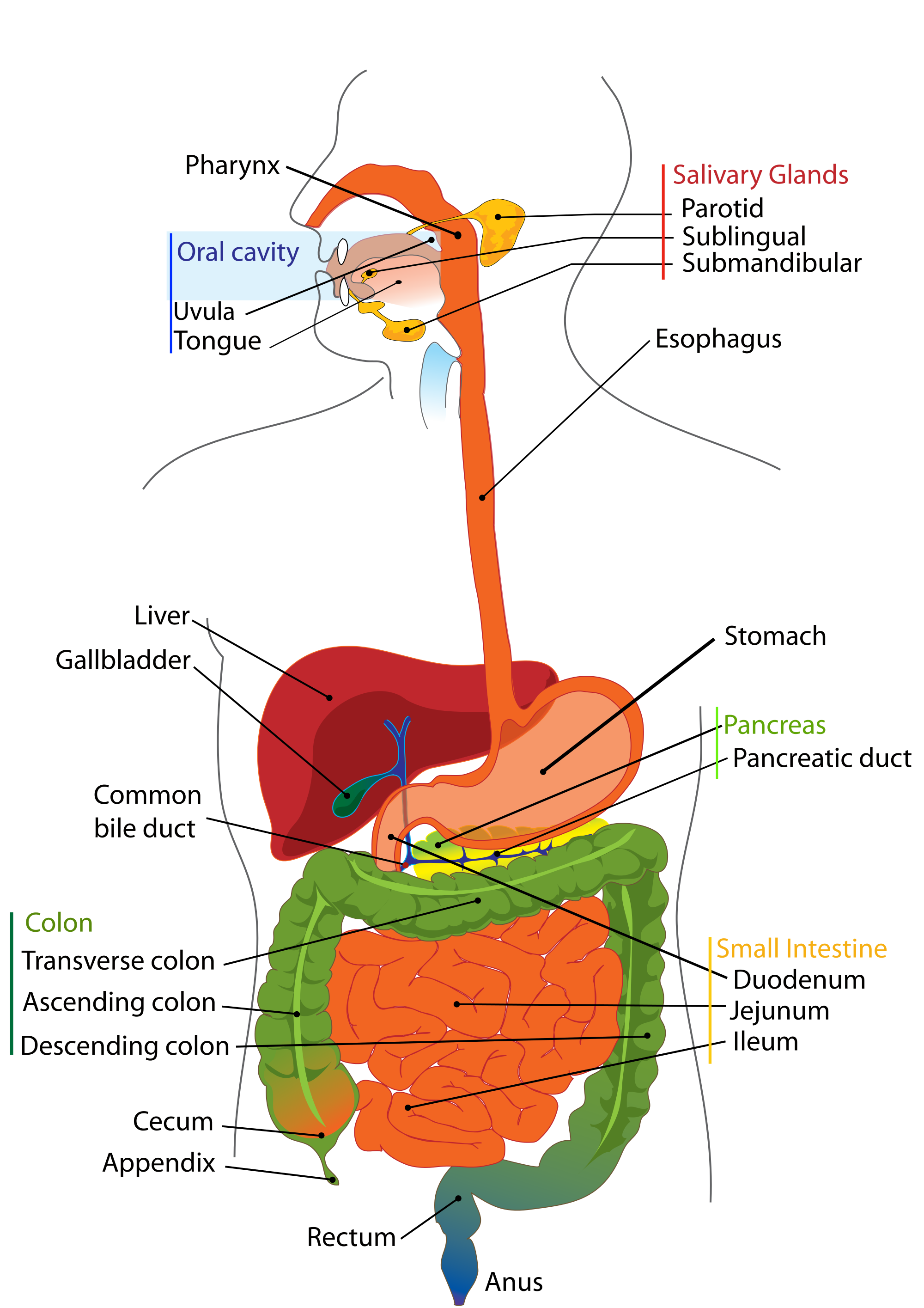
Gastrointestinal system. The gastrointestinal system is a chain of organs that digest food so the body can absorb nutrients. Swallowed food passes down the oesophagus, which secretes mucus to help food pass easily. Then it enters the stomach, a J-shaped bag.
Glands in the stomach lining secrete juices rich in acid and digestive enzymes, which kill some harmful bacteria and start to break food down. After this primary digestion, food moves into the small intestine. Here the duodenum neutralises acidity and starts further digestion, which continues in the jejunum and ileum, coiled tubes about 4–6 m [13–20 ft] long in total. When digestive products reach the large intestine through the caecum, almost all nutritionally useful products have been removed. The large intestine removes water from the remains in the colon, before waste is expelled through the anus.
The liver has many important functions, detoxifying substances like alcohol in the bloodstream and producing fat-digesting bile, which is stored in the gall bladder. The pancreas secretes enzymes that aid digestion, as well as hormones.
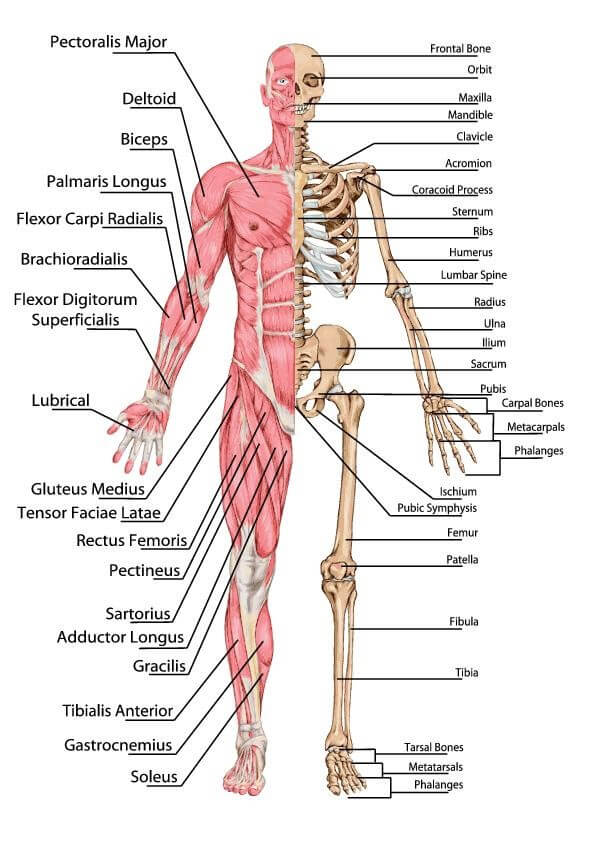
Musculoskeletal system. The musculoskeletal system consists of all the bones in the skeleton along with the muscles, tendons and other connective tissues that support them and allow us to move.
More than 200 bones in humans form a rigid, protective framework to which softer tissues and organs are attached. The skull protects the brain from damage, for instance, while the sternum and rib cage protect the heart and lungs. Bones are connected to each other by bands of fibrous tissue called ligaments. Some bones, including the femur, contain bone marrow that houses stem cells, which can transform into blood cells in order to top up the body’s blood supply.
Skeletal or “voluntary” muscles are bundles of fibres that contract and relax to move bones and joints. They are mostly attached to bones by collagen fibres called tendons and move in response to voluntary instructions from the brain. Smooth or “involuntary” muscle forms within the walls of organs such as the stomach and intestines, where they push food through the digestive system without any conscious control.
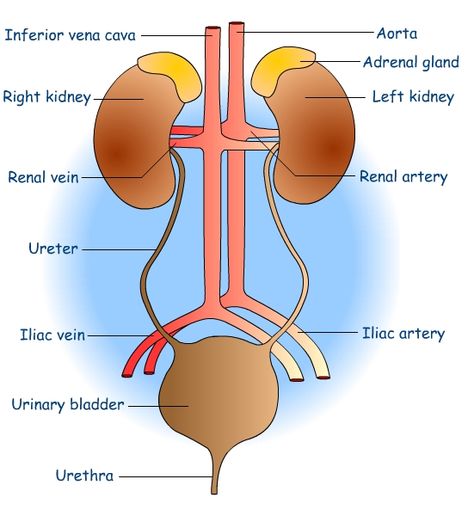
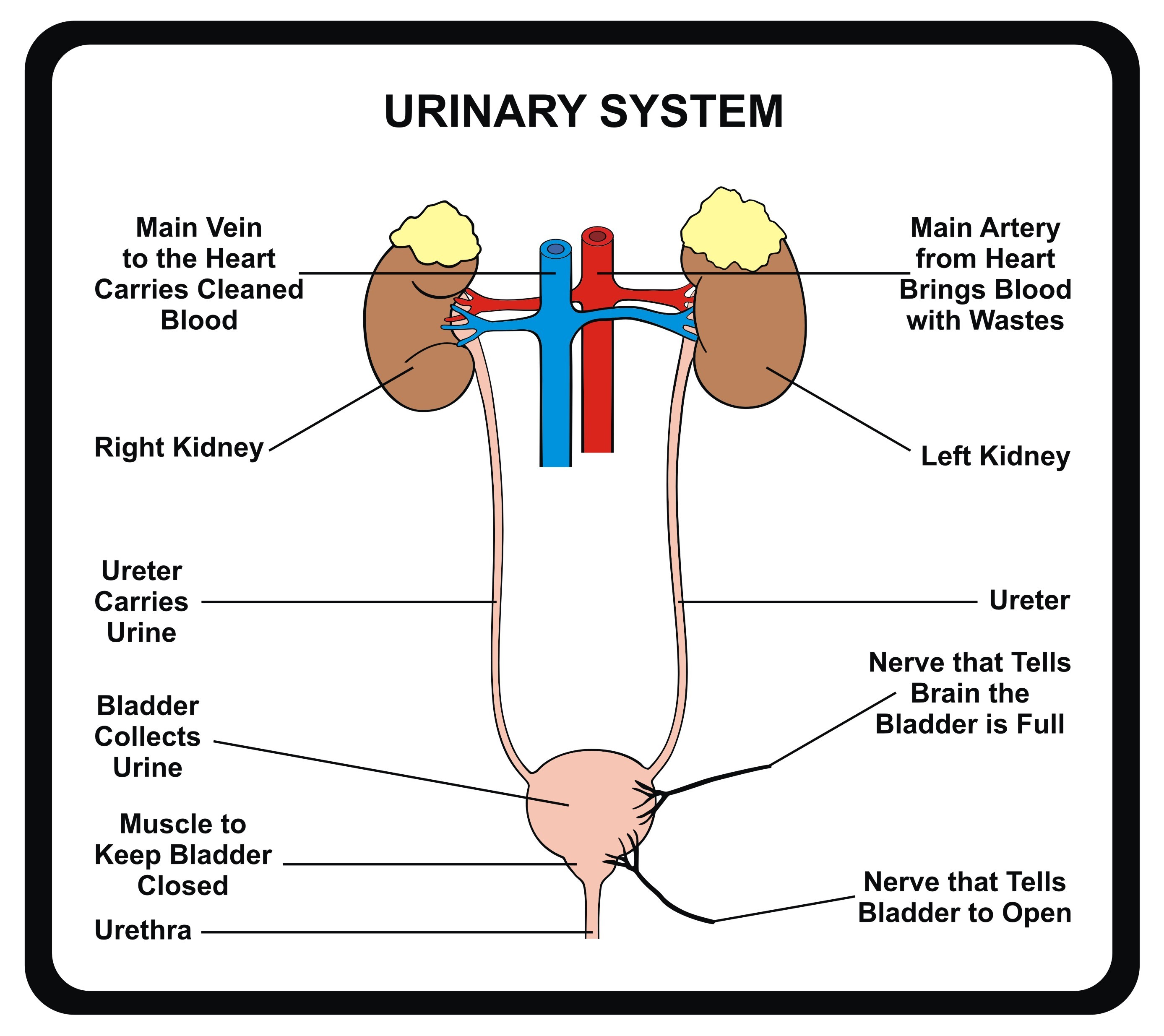
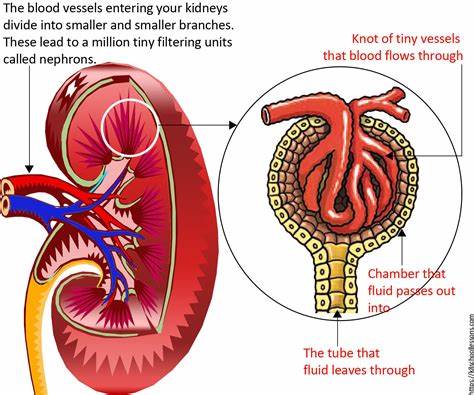
Urinary system. The urinary system removes the waste products of food digestion from the blood. The waste includes urea, with the chemical formula CO(NH2)2. This forms when proteins in food break down. The main organs of the urinary system are the kidneys, which also regulate blood pressure, stabilise salt levels and produce a hormone called erythropoietin, which controls the production of red blood cells inside bone marrow.
The kidneys are a pair of purplish-brown organs just below the ribs towards the middle of the back. They remove urea from the blood through tiny filtering units called nephrons, which are balls of small blood capillaries with a small tube or “renal tubule” attached.
In the nephrons, urea, water, and other waste substances form urine that flows through tubes called ureters to the bladder, where urine is stored before excretion through the urethra. Normal urine is sterile – it contains fluids, salts, and waste products, but no bacteria or viruses.
Reproductive system. The human reproductive system consists of the organs that allow couples to produce offspring. Male sperm fertilisers a female egg, which develops into an embryo, then a full-term baby, during a gestation period of about 40 weeks.
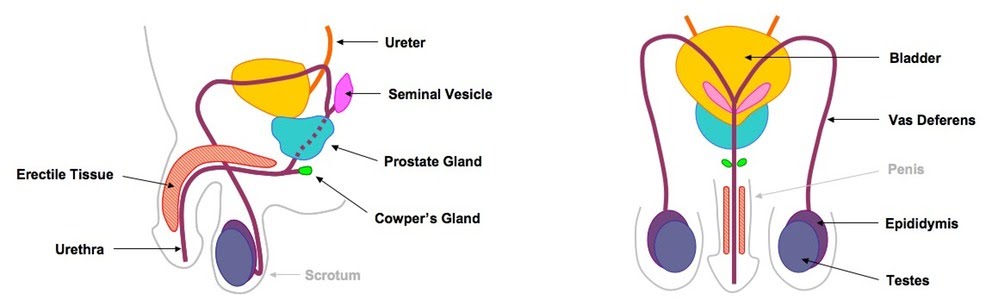
Male testes in the scrotum produce sperm, which mature inside coiled tubules called the epididymis. During ejaculation, sperm travels up through the vas deferens, which loops around the bladder, then out through the penis, with fluids from the prostate and seminal vesicles. Semen contains nutrients for sperm and allows them to “swim” up to fertilise a woman’s egg.
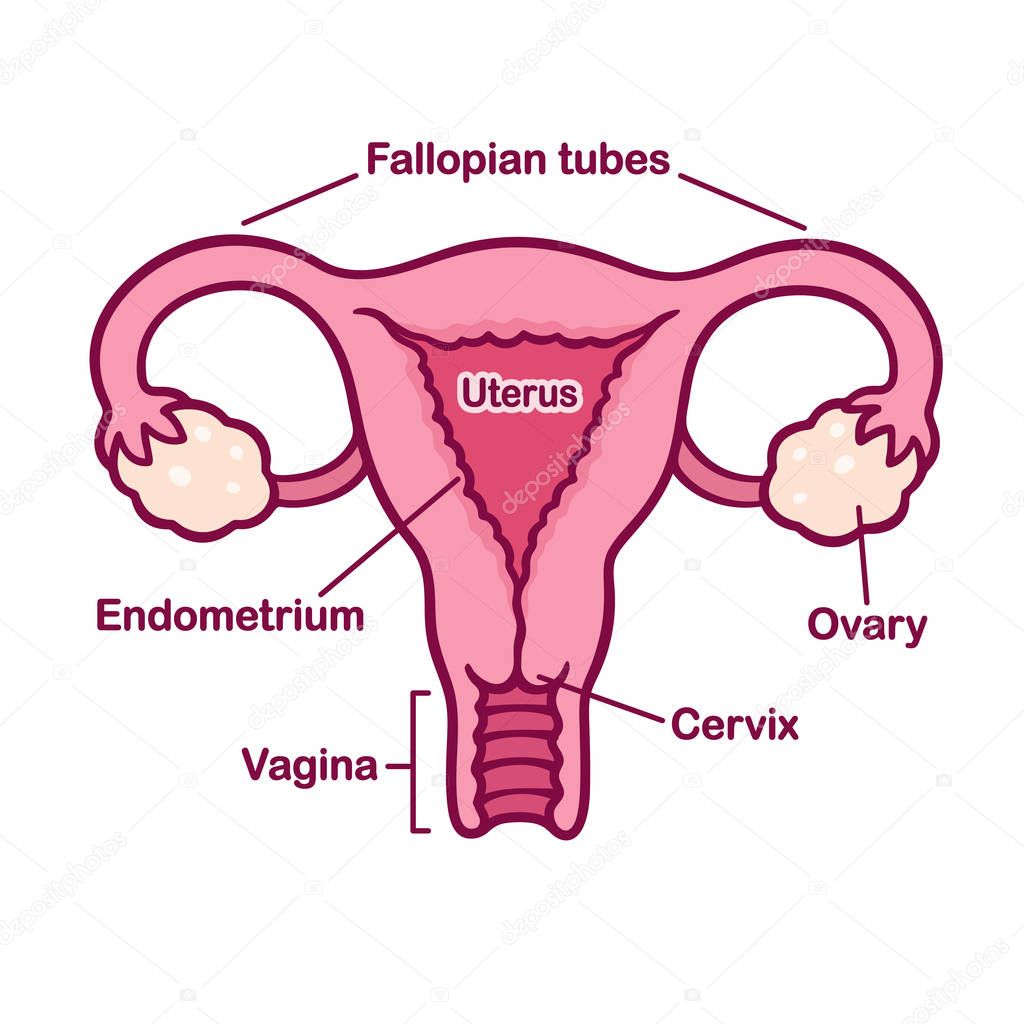
Females are born with their full compliment of immature eggs – typically about 2 million – inside their ovaries. Within the ovary, follicles each hold one egg surrounded by cells that nourish and protect it. After puberty, hormones usually make one egg mature each month and travel to the fallopian tubes, where it might be fertilised during sex. A fertilised egg then implants itself in the uterus, which has thick muscular walls and expands as a foetus grows.
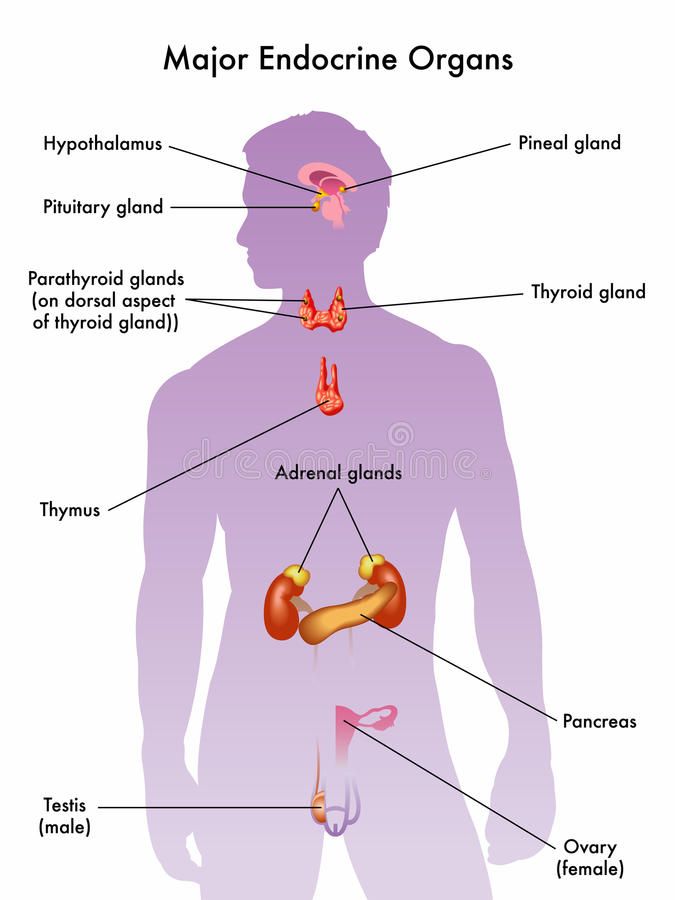
Endocrine system. The human endocrine system is a collection of glands that secrete hormones, which flow through the bloodstream and act as chemical messengers. These molecules trigger chemical changes in cells that have the appropriate receptors [see: Receptors Science Book: Biology]
Hormones secreted from the pituitary gland at the base of the brain regulate a host of factors including body growth and temperature, blood pressure, sex organs in both men and women, and some aspects of pregnancy and childbirth. The pineal gland, also in the brain, produces melatonin, a hormone that regulates our sleep patterns.
The thyroid gland controls how quickly the body uses energy and makes proteins. Two adrenal glands release the stress hormone cortisol to trigger a rise in blood glucose levels, while the pancreas secretes insulin, which regulates carbohydrate and fat metabolism. The endocrine system works in tandem with the nervous system, which transmits instructions round the body via networks of nerve cells.
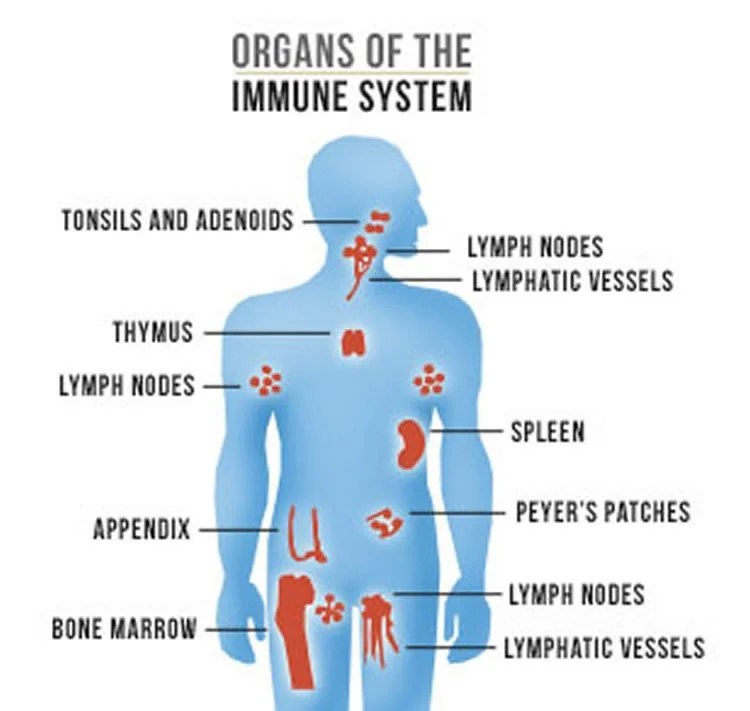
Immune system. The immune system is a network of organs, tissues and cells that defends the body against attacks by “foreign” bodies such as bacteria, viruses, parasites, and fungi that can cause disease. It has an amazing ability to track down these pathogens and target them for destruction.
The organs of the immune system include the tonsils, spleen and small bean-shaped lymph nodes laced through tiny lymphatic vessels. They all house lymphocytes, small white blood cells that are the immune system’s key players. Immune cells often have specialised functions – they can engulf and digest bacteria, for instance, or kill parasites. They include “killer T cells”, which mature in the thymus and attack tumours and virus-infected cells. Some T cells “remember” past foes and quickly mount a vicious assault on subsequent encounters.
Unfortunately, immune systems sometimes engage in friendly fire, causing diseases by destroying healthy human tissues. Other problems arise from suppressed immune systems, which can make people vulnerable to diseases such as pneumonia.
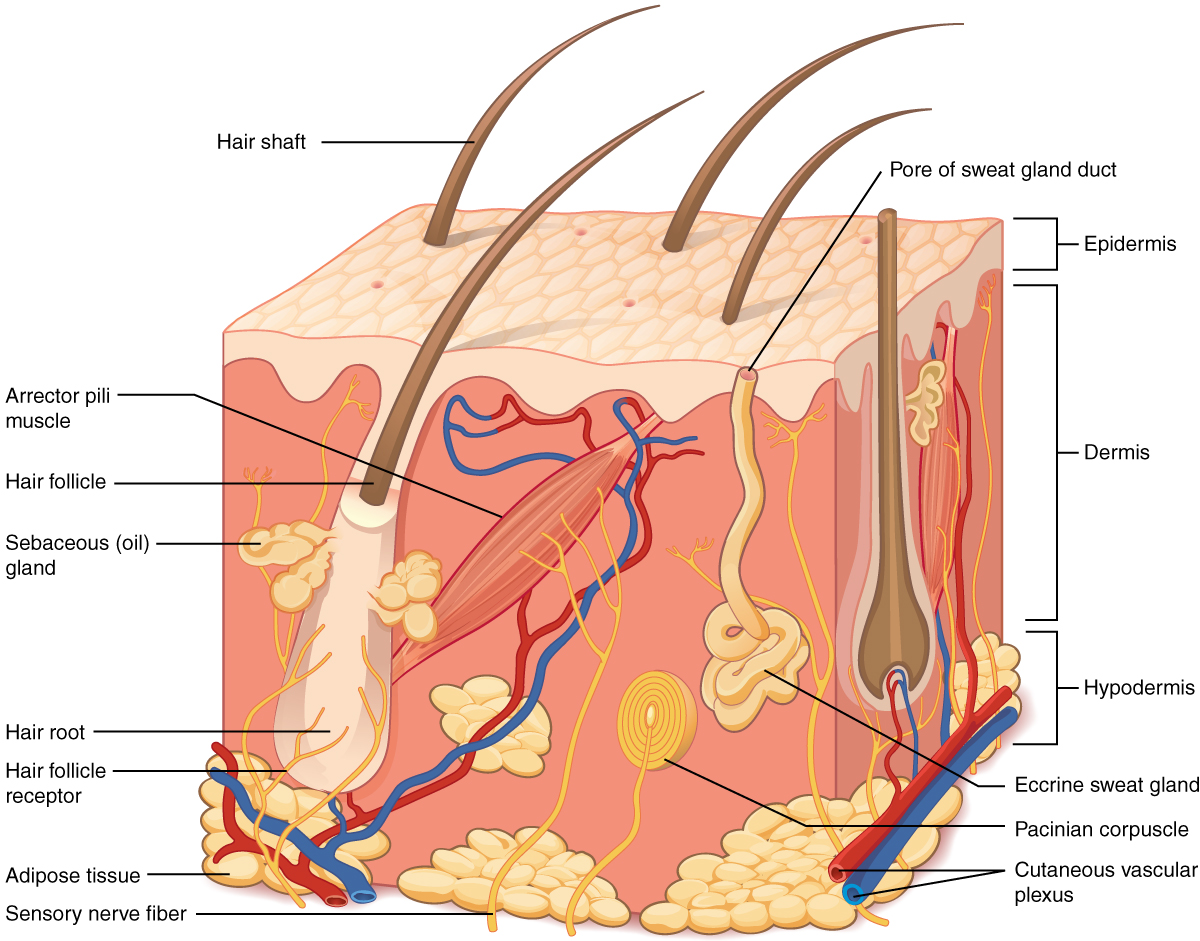
Integumentary system. The integumentary system comprises the biggest organ in the human body – the skin – as well as its extensions, such as hair and fingernails. The skin protects delicate organs inside the body and provides a physical barrier to regulate body temperature, keep out foreign bodies and retain moisture.
Most of our skin is about 2–3 mm [0.1 in] thick and it accounts for about 20 per cent of an adult’s body weight. The outer layer of the skin is called the epidermis. Its surface consists of dead cells that make skin waterproof, while cell division takes place in the deepest epidermis layer to create new cells that gradually move outwards and replace the outer skin layer.
The dermis lies beneath the epidermis and has its own blood supply, as well as nervous and sweat glands, which collect water and waste products from the bloodstream then excrete them out through pores in the epidermis. Beneath the dermis lies the fatty hypodermis, which connects the skin to underlying bones and muscles.
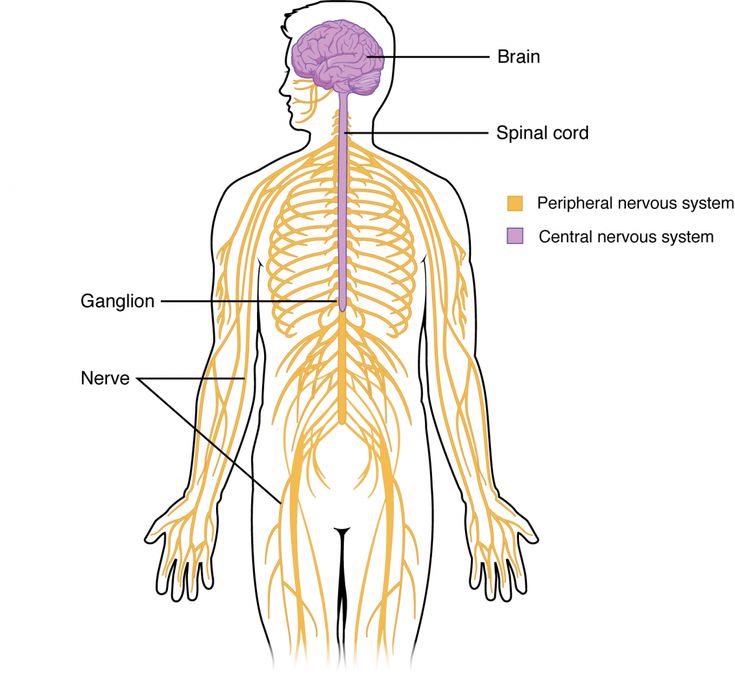
Nervous system. The nervous system is the information highway along which the brain sends instructions and receives feedback. It is made up of billions of nerve cells [neurons] that join together to make nerves, cable-like bundles wrapped in connective tissues, which transmit electrical impulses through the body.
The central nervous system comprises the brain and spinal cord. An adult human brain contains about 100 billion neurons and trillions of “glia”, cells that carry out support functions like transporting nutrients. The spinal cord is a long tubular bundle of nervous tissue that runs down the vertebral column.
The peripheral nervous system extends beyond the central nervous system. It consists of 12 pairs of cranial nerves, which emerge from the brain and mainly serve the head and neck, and 31 pairs of spinal nerves, which branch off from the spinal cord to the rest of the body. The “automatic nervous system” is a part of the peripheral nervous system that controls diverse functions from heart rate to the size of our pupils, largely without conscious effort.
This completes Science Book (Anatomy & Physiology). Amendments to the above entries may be made in future.
 Arts, reviews & current affairs