
– ‘Science Book: Medical Science’ seeks to address some of the fundamental concepts within the field of medicinal science.
INTRODUCTION
Illness and disease have always been with us, and the need to find ways to prevent and treat them can often be literally a matter of life and death. Over time, many new techniques have been tried, and a number of key discoveries, such as vaccines and antibiotics, have made a lasting impact, saved countless lives, or restored many people to health.
Readers and interested parties to this web page might also like to refer to Science Book: Anatomy/Physiology which is freely available on this site.
History is littered with early medical practice and scientific investigation. In the late 5th century BCE the Greek physician Hippocrates insisted that illness has natural causes, and so might also have natural cures. This has been the guiding principle of medicine ever since. Hippocrates also founded a school of medicine where students undertook to act with a duty of care to patients. This ideal, enshrined in the Hippocratic Oath, continues to inform medical ethics and practice.
The fight against disease received a major boost in 1796 when British physician Edward Jenner developed a vaccine for smallpox. In 1881, French chemist Louis Pasteur showed that vaccinations could work for other diseases too, and the search for vaccines is now a major area of medical research.
Pasteur, along with German physician Robert Koch, also led the way to an understanding of what disease is. They proved germ theory, that infectious diseases are caused by microscopic organisms such as bacteria. Their discovery generated a new field of research, as scientists hunted for the germ responsible for each disease. The gradual revelation of the body’s intricate immune system over the last century has been one of medicine’s most remarkable stories.
In the early 20th century, new approaches in microbiology and chemistry transformed ideas about how to treat disease. Identifying tiny immune particles in the body called antibodies, German scientist Paul Ehrlich developed the idea of targeted drugs, which hit germs but leave the body unharmed. His success in developing Salvarsan, the first effective drug for syphilis, in 1910, marked the beginning of a global pharmaceutical industry.
Scottish bacteriologist Alexander Fleming’s discovery of penicillin in 1928 marked a new era of medicine. For the first time, physicians had an effective treatment for a range of previously life-threatening diseases. Antibiotics also facilitated one of the miracles of modern surgery, organ transplants, which had often failed as a result of infection.
Since the 1950s, advances such as the deciphering of genetic code have shed new light on how diseases develop and fuelled new methods to fight them. The field of biomedical engineering has also produced solutions in all areas of healthcare, from non-invasive imaging to robotic surgery and implantable medical devices such as pacemakers and replacement joints.
Whether a flash of individual insight or the result of several years of research and testing by large teams of people, new ideas in medicine have saved millions from suffering and death. Yet the innovations of medical science are also tempered by more caution and regulation than many other disciplines. For scientists involved in medical science, however, the motif is clear: human lives are at stake.
(1) Cardiovascular disease
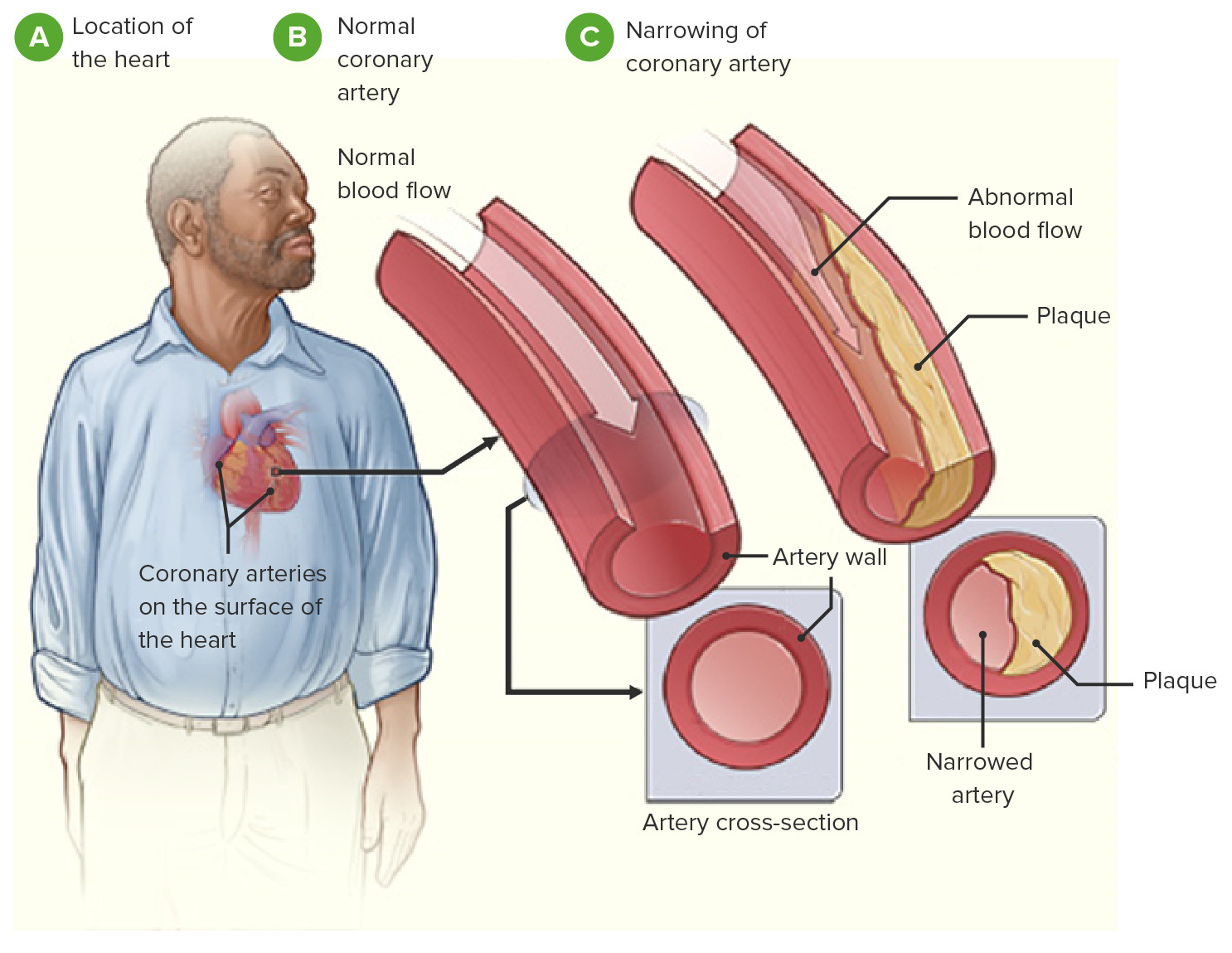
Cardiovascular disease is a spectrum of disorders that affect the heart and blood vessels, including heart attacks and stroke. It is the leading cause of death in developed nations.
Heart attacks occur when a blood clot suddenly blocks an artery in heart muscle. It can cut off most or all of the blood supply to the heart, so heart cells that don’t receive enough oxygen-rich blood begin to die. This is often fatal unless a patient receives prompt treatment to restore blood flow.
Strokes occur when the blood supply to part of the brain is cut off and brain cells begin to perish, leading to brain damage and possibly death. Most strokes are “ischaemic” ones, in which a blood clot blocks the blood supply. In “haemorrhagic” strokes, brain damage occurs when a weakened blood vessel bursts.
The best way to prevent cardiovascular disease is to avoid eating a lot of fatty food, which can make fatty plaques build up in the arteries. High blood pressure and cholesterol, smoking and lack of exercise are also risk factors.
(2) Infectious disease
Infectious diseases develop when pathogens such as bacteria and viruses [see Science Book: Biology] invade the body. They are a leading cause of death, particularly in developing countries.
Some bacterial infections are beneficial, helping to break down food in the gut during digestion. But harmful bacteria can cause diseases by a variety of mechanisms, including sticking to healthy cells and gumming up their surfaces, and producing toxic chemicals. Fungi can cause diseases such as athlete’s foot, while other pathogens include single-celled parasites such as Plasmodium that can cause malaria. Many multicellular parasites also cause disease, including tapeworms that can grow several metres long in the intestines.
Some rare infectious diseases are caused by “prions”, proteins that have folded into the wrong shape and convert other proteins to the faulty state. Prion diseases destroy the brain and include bovine spongiform encephalopathy [BSE or “mad cow disease”] in cattle, which can be passed on to people through the food chain such as Creutzfeldt-Jacob disease.

[1] Normal protein made in nerve cells
[2] Misfolded prion protein
[3] Misfolded prion protein infects normal protein in nerve cells
[4] The pattern is then repeated through replication as new misfolded prions burst out when cell dies
(3) Cancer
Cancers are diseases that develop when cells in the body divide uncontrollably to form lumps called tumours. There are more than 200 types of cancer, and it is the second most common cause of death in developed countries after cardiovascular disease.
Tumours can be “benign” lumps that are harmless, but cancer is a term for “malignant” tumours with the ability to spread to other parts of the body, either by invading surrounding tissues or by migrating to other organs through the blood or lymphatic system. “Metastasis” occurs when cancer cells reach a new area and continue dividing to create new tumours.
Treatments include surgery to remove malignant tumours and radiotherapy, which destroys them using radiation. In chemotherapy, patients take powerful drugs that rapidly target dividing cells, although this is often accompanied by some very unpleasant side effects because chemotherapy drugs also harm healthy cells that normally divide rapidly too, including hair follicles. Sometimes, chemicals naturally produced by the body’s immune system can shrink tumours with fewer side effects.
Evolution of a cancer – stages in the development of cancer


[1] Cell with genetic mutation
[2] Cancer cells multiply on microscopic scale
[3] Cancer becomes large enough to be felt as a lump
[4] Cancer spreads into surrounding area
[5] Metastasis: cancer spreads into other body tissues
(4) Drugs
In general, a drug is any chemical that alters normal body function. Usually, it refers to a chemical designed to treat, cure, or prevent disease, or enhance physical or mental health.
Drugs fall into a vast number of classes, including antibiotics that kill bacteria without harming body cells and antiviral drugs that sabotage virus replication strategies. One of the world’s best-selling drugs Lipitor lowers cholesterol levels, while other top-selling drugs treat asthma and cardiovascular disease.
“Analgesics” are drugs that relieve pain. Injuries make nerve endings send signals to the brain that trigger pain sensations, and analgesics interfere with these signals in the nervous system anywhere from the injury site to the brain itself. Many painkillers come from naturally occurring chemicals. Aspirin uses a chemical in willow bark, for instance, while opiates work in a similar way to opium, derived from poppies.
Sometimes people use recreational drugs such as opioids or hallucinogens for their perceived beneficial effects on mood or perception, but many of these are highly addictive.
Stages for drug treatment of pain
[1] Pain – Non-opioid. For example, aspirin or paracetamol
[2] Pain persisting or increasing – Opioid for mild to moderate pain. For example, codeine
[3] Pain still persists or increasing – Opioid for moderate to severe pain. For example, morphine, diamorphine
(5) IVF
In vitro fertilisation, or IVF, is a technique that allows some infertile women to become pregnant. Doctors might recommend it if a woman has damage to her fallopian tubes or if her partner has a low sperm count.
During the IVF process, the woman usually takes drugs to boost the number of mature eggs in her ovaries. Doctors then remove the eggs, usually by guiding a needle into the ovaries monitored by an ultrasound scanner. The eggs are mixed with sperm and cultured in the laboratory.
If embryos successfully develop, usually one to three of them are implanted into the woman’s uterus. More embryos means a higher chance of a successful pregnancy, but many countries have guidelines or laws that restrict the number of embryos used because of the risks of multiple pregnancies, which often lead to premature birth.
Typically, only about a quarter to a third of women become pregnant after one IVF attempt, although the chance of success is highly dependent on the woman’s age.


Key steps of in vitro fertilisation
[1] Eggs extracted from ovaries
[2] Eggs fertilised in laboratory
[3] Fertilised eggs cultured in laboratory
[4] Selected eggs embedded in uterus
(6) Kidney dialysis
Kidney dialysis is a treatment for people who have poor kidney function, usually as a knock-on effect from diabetes or uncontrolled high blood pressure, or due to inflammation. Dialysis carries out key kidney functions by filtering blood to remove waste, salt, and excess water.
In “haemodialysis”, blood is drawn out from an artery and pumped into a dialysis unit. Inside the unit, waste products in the blood pass into a fluid called the dialysate through holes in a membrane that are too small to admit blood cells, The cleaned blood is then returned into a vein. Typically, haemodialysis treatments take place three times a week and last about three or four hours.
In “peritoneal dialysis”, blood is cleaned inside the body with the lining of the abdominal cavity acting as the membrane. Dialysate is flowed into the abdomen through a permanent tube and then extracted after the fluid has absorbed waste products and excess water from arteries and veins that line the peritoneal cavity.

[1] Blood drawn from artery
[2] Pump
[3] Semi-permeable membrane
[4] Used dialysate
[5] Fresh dialysate
[6] Dialysis unit
[7] Cleaned blood returned to vein
(7) Surgery
Surgery is a medical procedure to manually remove or modify tissue in the body, usually to treat disease. Surgical operations began at least 7,000 years ago, when Stone Age people used flint tools to cut open skulls, possibly to treat head injuries or for other perceived health benefits.
Modern surgery takes place in operating theatres with carefully sterilised surgical instruments. Patients are given local anaesthetics that numb the part of the body surgeons will operate on, or general anaesthetics that make them unconscious. Common surgical operations include caesarean sections to deliver babies through the abdomen and repairs of hernias [which usually involve part of the intestine protruding through a hole or weakness in the wall of the abdomen].
In laparoscopic, or “keyhole”, surgery, surgeons make tiny incisions in the body and perform surgery guided by a miniature camera attached to a long surgical instrument. Keyhole surgery is often used to remove the gall bladder. The smaller incision means less pain, scarring, and risk of infection.
(8) Blood transfusion
Blood transfusions involve taking blood from one person – a donor – and giving it to another person. Patients sometimes need transfusions after losing blood due to injury, during medical operations or in childbirth, or because they have a disease that stops them producing enough red blood cells.
Usually, collected blood is mixed with an anticoagulant as it drains from a catheter in the donor’s vein into a plastic bag. Tests determine the donor’s blood type, because it has to be compatible with the recipient’s blood type, otherwise the patient’s immune system will reject it. Blood types have four genetic categories: A, B, AB, and O. About 40 per cent of the population are “universal donors” with O-type blood, which is safe for anyone to receive. Patients with an AB blood type are “universal recipients”, who can safely receive any type of blood.
The blood is also screened for infectious agents including HIV [human immunodeficiency virus] and then ideally separated into its three main components – red blood cells, plasma, and platelets – to make best use of it for patients’ individual needs.

Antibodies are proteins found in plasma. They’re part of your body’s natural defences. They recognise foreign substances, such as germs, and alert your immune system, which destroys them.
Antigens are protein molecules found on the surface of red blood cells.
Receiving blood from the wrong ABO group can be life-threatening. For example, if someone with group B blood is given group A blood, their anti-A antibodies will attack the group A cells. This is why group A blood must never be given to someone who has group B blood and vice versa.
Red blood cells sometimes have another antigen, a protein known as the RhD antigen. If this is present, your blood group is RhD positive. If it’s absent, your blood group is RhD negative. This means you can be 1 of 8 blood groups.
If you have a blood transfusion (where blood is taken from one person and given to another) your blood will be tested against a sample of donor cells that contain ABO and RhD antigens. If there’s no reaction, donor blood with the same ABO and RhD type can be used.
(9) Laser therapy
In laser surgery, surgeons use a laser to cut or remove tissue instead of a scalpel. They sometimes use lasers to make incisions for otherwise conventional surgery, or to vaporise unhealthy tissues that have high water content. Lasers are sometimes used in cosmetic surgery to destroy the outer skin on the face, to stimulate the growth of new skin that is softer and less wrinkly or scarred.
Laser surgery is commonly used on the eye. Doctors use a laser to vaporise part of the cornea in order to change its shape and correct short-sightedness [myopia] or long-sightedness [hyperopia]. Green lasers are often used to shrink enlarged prostate glands in men, with the green light being highly absorbed by the red prostate tissue.
Dental surgeons are increasingly using lasers to replace dental drills for almost painlessly removing decayed parts of teeth, as well as speeding up the bleaching process to whiten the enamel. In removing decay, the decayed area contains more water than the rest of the tooth. The water absorbs heat from the laser beam and vaporises. The heat also sterilises the area of any bacteria. A huge benefit of laser surgery is that there’s no physical contact with a surgical instrument, greatly reducing the risk of infection.
(10) Gene therapy
Gene therapy is a technique for treating diseases caused by defective genes in DNA that produce faulty proteins. So far, despite some very encouraging developments and advancements, this treatment is still in its early stages.
In gene therapy, scientists usually alter a virus genetically to carry a section of normal human DNA. They exploit the fact that some viruses incorporate their own DNA into the human genome as part of their replication strategies. So, on this basis, scientists dupe a virus into adding a normal gene to human DNA to replace a dysfunctional one. The genetically engineered virus targets cells such as lung or liver cells, then introduces the therapeutic human gene, which starts manufacturing the necessary proteins to restore the cells to a healthy state.
Scientists hope this technique could permanently cure a diverse range of genetic diseases, including haemophilia, a male-only disease in which the blood lacks the normal clotting factors so that even minor injuries can cause dangerous blood loss. For human gene therapy to be more widely used in the treatment of various diseases, however, it would need to be conclusively proved in being effective, permanent, and safe.

[1] DNA encoding the blood-clotting factor is engineered into a virus
[2] The virus introduces the DNA to the human cell nucleus
[3] Modified cell produces vital clotting factor
(11) Stem cell therapy
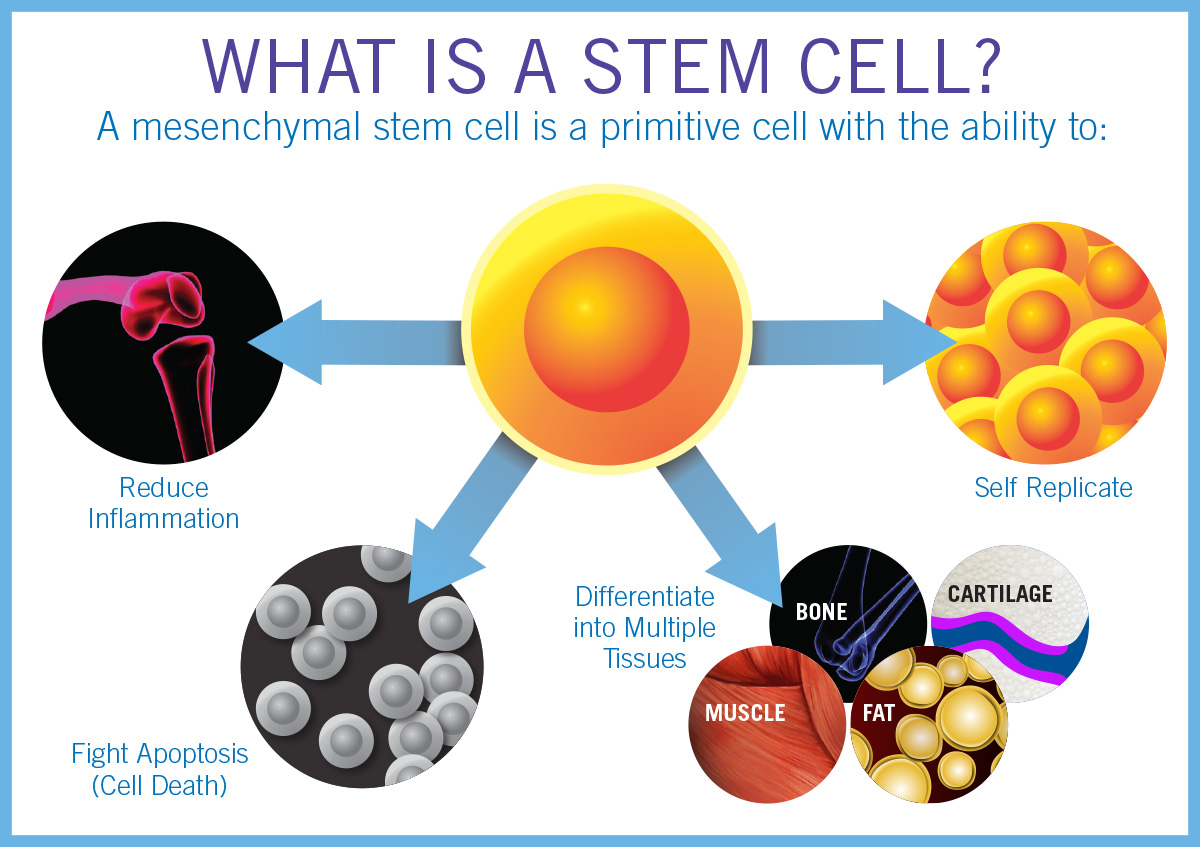
Stem cell treatments could one day cure a wide range of previously incurable diseases, including multiple sclerosis, paralysis, and Alzheimer’s disease. Found in embryos and various adult tissues including bone marrow, stem cells are unique in their ability to differentiate into a wide range of specific cell types that could be used to regenerate and repair damaged tissue.
Bone marrow transplants are effectively a stem cell treatment for leukaemia. Adult stem cells are limited in the cell types they can generate, but stem cells from embryos can form any type of cell, including liver cells, neurons, or skin cells. Treatments using cells derived from human embryos, including neurons for spinal cord repair, are still in early developmental phases.
Scientists hope it will be possible in the future to take adult stem cells from a patient needing treatment and programme them to return to an embryonic-like state. These “pluripotent” stem cells could diversify into any tissue the patient needs, without any risk of tissue rejection by the immune system.


This completes ‘Science Book: Medical Science’. Amendments to the above entries may be made in future.
 Arts, reviews & current affairs