
Arts, Photography, Tokyo Olympic Games

Tokyo Olympic Games: ‘Pictures From The Pool’

. Chris Spice, the performance director of British swimming, gives an overview of British swimming
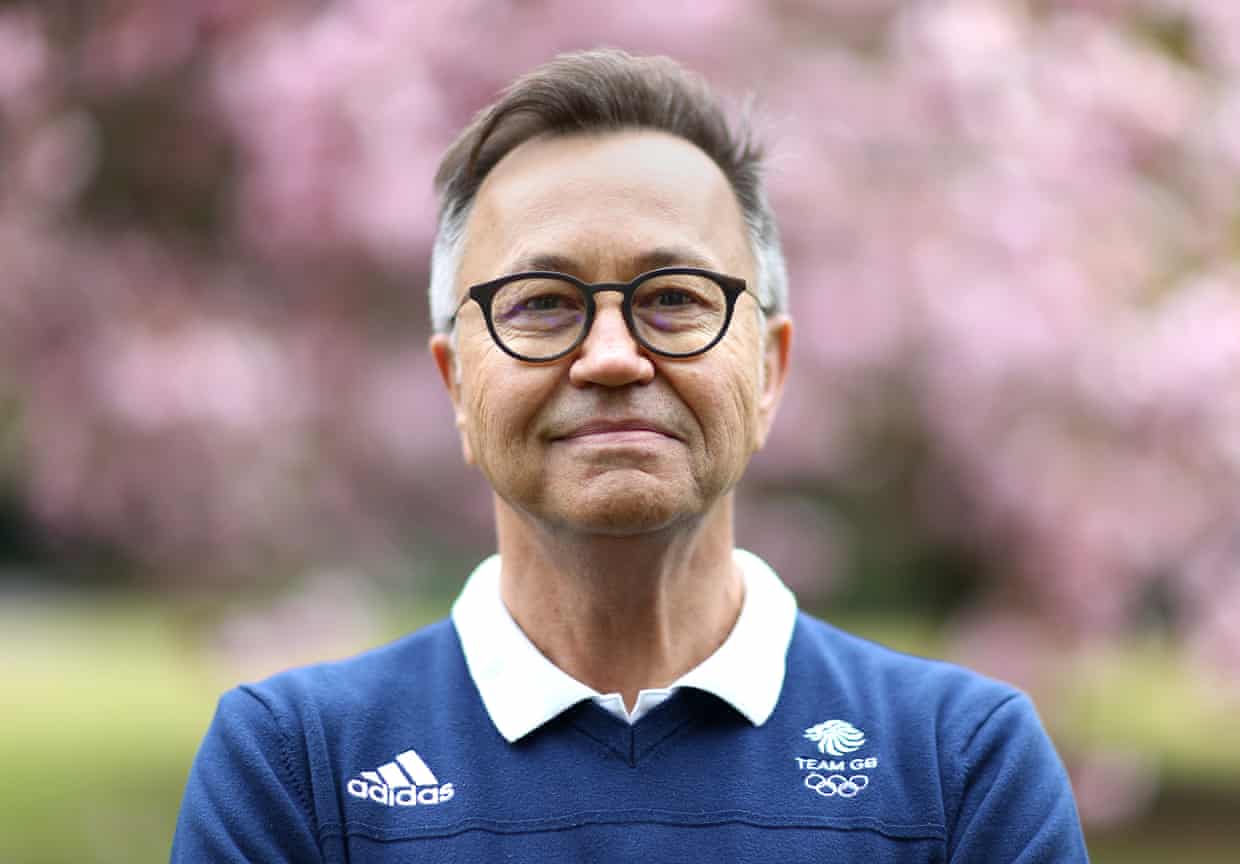
– Spice says there is “a lot more to do”.

Great Britain’s national performance director Chris Spice has been basking in the glow of a job well done and is looking forward to the prospect of even more glory at the Paris Olympics.

Team GB collected a record eight swimming medals with four golds, three silvers and a bronze, representing their best ever haul at a single Games, achieved by those who will have high hopes of going to France in three years.

“One of the great things is that 75 per cent [of the swimmers were] in their first Olympics. The extra year has helped us. No doubt about it. Our team looks totally different than it would have looked last year.

“The experience now that the group have got from coming here, the experience those youngsters have got, we want to get better each Olympics. Our plan is not to stand still. The minute you stand still you get overtaken.

“Our plan is to keep pushing in every single aspect of performance, science and medicine and the innovation projects that we have got going. We are still going to push. Our goal will be to be better in Paris. That doesn’t mean it is going to happen because we’ve got to work hard to make it happen.”


Only the United States and Australia finished ahead of Britain in the swimming medals table, but Spice acknowledged those countries, along with one or two others, have greater funding in locating and nurturing fresh talent. Spice, though, estimates they can go up another gear or two by directing the resources they do get into different channels to discover untapped potential within Britain.
When asked how much better, in percentage terms they can be, the British Swimming chief replied: “I think there is another 10 to 15 in the short-term, but probably in the long term another 25.

“There is still investment going in to different areas that we haven’t got outputs yet. That coupled with the talent we have in this group and the fact that they are young and moving forward is significant.

“There is a whole range of stuff we haven’t hit yet. We have got a bit up our sleeve. Equally we are never going to be as deep as China, Russia and America, we have to maximise our potential, Australia too of course.

“They have got a lot more numbers than us. We have to maximise the talent we have got – we have to get a gem early.”

Standard
Arts, Books

Book Club: V2 by Robert Harris

SYNOPSIS

ON A bitterly cold Saturday morning in November 1944, Dr Rudi Graf is supervising the launch of the German army’s devastating new rocket – the V2.

Since his childhood, Rudi has been passionate about rocket science and all that the subject entails; now he is forced to use his learning and passion in the service of the Nazis. The rocket is aimed at London’s Charing Cross.

Four minutes later, 24-year-old WAAF, Kay Connelly, an English intelligence officer, is emerging from bed after a tryst with her married lover, Air Commodore Mike Templeton, when the V2 strikes its target, throwing her to the ground and trapping Mike in the debris and rubble. Kay is posted to Belgium on secondment in a desperate bid to locate the launch sites and neutralise the threat.

Robert Harris’s compelling account of the desperate duel between the men who invented the V2 rockets, and the young women photographic analysts who worked tirelessly to locate and destroy their deadly invention, was inspired by the memoirs of former WAAF Eileen Younghusband.

Appendage:

Standard
Broadcasting, Government, Media, Politics, Society

Public interest journalism under threat

REFORMS TO OFFICIAL SECRETS ACT

JOURNALISTS could be hit with lengthy prison sentences if their stories and reports upset the Government under “sweeping reforms” to the Official Secrets Act.

Proposals for legislation to “counter state threats” risk criminalising public interest journalism.

There are concerns that reporters could be branded spies if, for example, they handle leaked documents.

The proposals could also expose whistleblowers to “harsh new penalties”.

A Home Office Consultation, which closed this week, is seeking to reform the 1989 Act to account for changes in the modern age. It could increase the maximum two-year sentence for “unauthorised disclosure”.

The Law Commission recommended a public interest defence, which would protect journalists, should be included.

But the Home Office rejected this, saying it would “undermine our efforts to prevent damaging unauthorised disclosures, which would not be in the public interest”. The News Media Association (NMA), which speaks for UK media organisations, warned the plans could “open the floodgates” to the media and its sources being prosecuted “despite acting in the public interest”. A source at the NMA said: “As part of any thriving democracy, the public and a responsible press must be free to shed light on the state’s injustices.

“The proposed measures will deter whistleblowers from coming forward with vital information which the public have a right to know and place a chill on investigative journalism which holds power to account.” Newspaper and media bodies are strongly urging the Government to reconsider these measures and instead work with the industry to place appropriate protections for journalism at the heart of the Official Secrets Act so that freedom of speech is enhanced by the new regime rather than weakened further.

The NMA has called for a public interest defence to be introduced, and a Statutory Commission to be created to provide redress for whistleblowers. The National Union of Journalists said the proposals were “truly chilling”. A spokesperson for the NUJ said: “Government proposals to reform the Official Secrets Act are truly chilling and authoritarian. They could brand journalists spies, just for doing their job.

“They could remove the defence for whistleblowers and reporters of publishing information in the public interest and water down protections on the police being able to seize journalistic material”.

Standard