REVIEW: 15 cert, 126 minutes
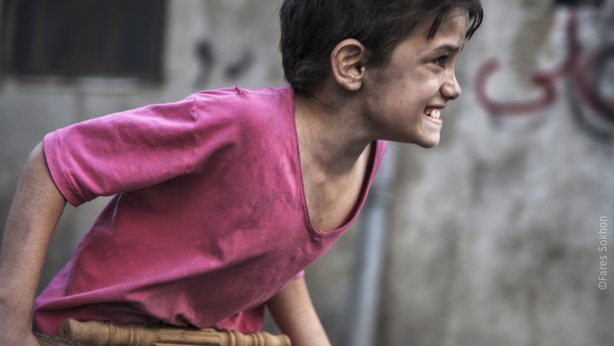
The plucky young boy Zain (Zain Al Rafeea) in Capernaum: an endless struggle to get by.
EVERY so often a film comes along which is difficult to comprehend and one in which is hard to figure out and wrap your head around. Not the ones you can’t believe were ever made (there’s no shortage of those) but the ones that simultaneously seem so real and so impossible that watching them is like witnessing a magic trick you’re unable ever to fathom. Nadine Labaki’s Capernaum – one of this year’s foreign-language Oscar nominees, and the Jury Prize winner at Cannes last year – is that kind of film. It is the story of a child surviving on the streets of Beirut, infused with the richness of great fiction and the heart-in-mouth power of front-line news footage.
The young survivor is Zain, played in an utterly disarming performance by Zain Al Rafeea, who, like his screenplay character, is about 12-years-old. He’s a newcomer to acting, but a Syrian refugee in real life. Zain flees his family’s dingy Beirut apartment in the wake of a decision by his parents that he sees, quite rightly, as an appalling betrayal, and is bounced around in the tumult of the Lebanese capital (the film’s title is a French term for chaos, and also a Biblical town cursed by Christ). Having lived with his poverty-stricken parents and numerous siblings, Zain was aghast when his father arranges for his sister, who he is especially close to, to be married off to a businessman. She is barely pubescent.
Bambi-eyed the boy may be, but he is no Disney innocent, and gets by on his considerable wits in a frenetic war-ravaged town. After fetching up at a decrepit theme park, he befriends an Ethiopian single mother called Rahil (Yordanos Shiferaw). She is a cleaner who starts to rely on him to look after her own toddler while she is at work. He becomes, in effect, a surrogate big brother to her similarly undocumented toddler Yonas – who is played by a one-year-old in what must be, without a sliver of exaggeration, one of the greatest infant performances in cinema history. When Rahil goes missing, Zain becomes Yonas’s guardian too, and the two children must fend for themselves in the direst of circumstances.
The irony is clear: Zain is much better at parenting than his own parents. In fact, the film is framed by a courtroom sequence in which Zain sues his mother and father for bringing him into this wretched world. This brings shape to a story that sprawls by nature.
For some, Zain’s legal challenge adds a discordant note of fantasy to a film that otherwise pulsates with realism. Others are likely to love every minute of this movie, which seems largely improvised, but which is brilliantly crafted and directed.
Capernaum is Labaki’s third and most ambitious film to date. It is close in both texture and spirit to the Brazilian crime epic City of God: it teems with the same excitement and danger as Fernando Meirelles’s film. To call it Dickensian would probably be too great a compliment. Whether Capernaum has the staying power of the great social-realist films remains to be seen. But, in its unbroken gaze and visionary sweep, it does feel like a landmark.
The list of films in this year’s Foreign Language category at the Academy Awards, which also includes Roma, the Netflix film that won a Bafta and is tipped for an Oscar, is considerably classier than the list of nominees for Best Picture.
Nadine Labaki probably won’t walk away from the Oscars with a gold statuette and the movie industry’s greatest bauble, but in most other years, she surely would have done.
Verdict: Social realism with a blockbuster spirit. A classy drama.
★★★★★


 Arts, reviews & current affairs